

The World Restart a Heart (WRAH) Day
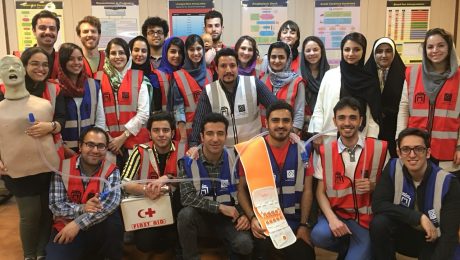
“All citizens of the world can save a life”. With these words, the International Liaison Committee on Resuscitation (ILCOR) is launching the first global initiative – World Restart a Heart (WRAH) – to increase public awareness and therefore the rates of bystander cardiopulmonary resuscitation (CPR) for victims of cardiac arrest. In most of the cases, it takes too long for the emergency services to arrive on scene after the victim’s collapse. Thus, the most effective way to increase survival and favorable outcome in cardiac arrest by two- to fourfold is early CPR by lay bystanders and by “first responders”. Lay bystander resuscitation rates, however, differ significantlyacross the world, ranging from 5 to 80%. If all countries could have high lay bystander resuscitation rates, this would help to save hundreds of thousands of lives every year. In order to achieve this goal, all seven ILCOR councils have agreed to participate in WRAH 2018. Besides schoolchildren education in CPR (“KIDS SAVE LIVES”), many other initiatives have already been developed in different parts of the world. ILCOR is keen for the WRAH initiative to be as inclusive as possible, and that it should happen every year on 16 October or as close to that day as possible. Besides recommending CPR training for children and adults, it is hoped that a unified global message will enable our policy makers to take action to address the inequalities in patient survival around the world.
- Published in Cardiopulmonary Resuscitation, Disasters and Emergencies Health, First Aid, Prehospital Emergency Care
Medicine In the Extremes International Summer School
Medicine In the Extremes or in short MIE, started as a summer school program with the aim to deepen medical students’ skill and ability in facing challenges common in times of disaster. The third school held on the summer of 2019. For this year, the program is planned to focus on the same general topics (Disaster Management, Emergency Medicine and Psychology in Disasters) as MIE 2018, although the exact subjects depend on our collaborating organizations and partners.
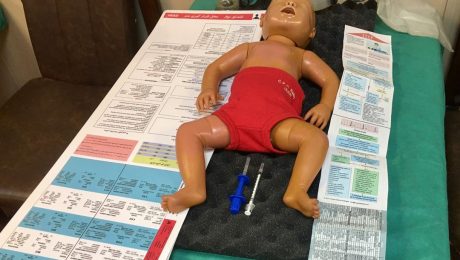

Broselow Pediatric Emergency Tape
The Broselow Tape, also called the Broselow pediatric emergency tape, is a color-coded length-based tape measure that is used throughout the world for pediatric emergencies. The Broselow Tape relates a child’s height as measured by the tape tohis/her weight to provide medical instructions including medication dosages, the size of the equipment that should be used, and the level of shock voltage when using a defibrillator. Particular to children is the need to calculate all these therapies for each child individually. In an emergency the time required to do this detracts from valuable time needed to evaluate, initiate, and monitor patient treatment.
The Broselow Tape is designed for children up to approximately 12 years of age who have a maximum weight of roughly 36 kg (80 pounds). The Broselow Tape is recognized in most medical textbooks and publications as a standard for the emergency treatment of children. To use the Broselow Tape effectively the child must be lying down.Use one hand to hold the red end of the tape so it is even with the child’s head. (Remember: “red to head”). While maintaining one hand on the red portion at the top of the child’s head, use your free hand to run the tape down the length of the child’s body until it is even with his/her heels (not toes). The tape that is level with the child’s he original Broselow tape was divided into 25 kg zones for medication doses and eight color zones for equipment selection. Subsequent versions of the tape combined dosing and equipment zones such that the eight color zones contained both dosing and equipment information, thus creating a simple visual system for medication and equipment which is used in most hospitals and ambulances.heels will provide his/her approximate weight in kilograms and his/her color zone.

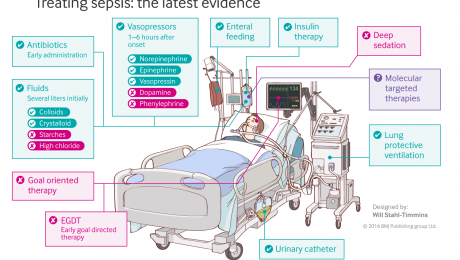
Initial resuscitation of sepsis and septic shock
Initial resuscitation of sepsis and septic shock in 2018 guideline for management of sepsis. #sepsis #septicshock#guideline #bundles #amirsalari

Useful Mobile Application
Useful mobile application about different medical and clinical care discipline for education and training and use in clinical setting.#mobile #application#iphone #android #medicaleducation#medicallapp #clinicalcare #amirsalari

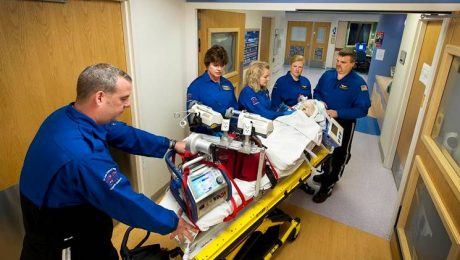
Cardiac Arrest Algorithm 2018 Update
My Interesting Clinical Fields
My interesting clinical fields are Emergency and critical care#clinicalfield#emergency #criticalcare#intensivecare#resuscitation #lifesupport#advancedlifesupport #amirsalari

کتاب راهنمای جیبی احیای قلبی- ریوی
کتاب راهنمای جیبی احیای قلبی- ریوی (CPR) بر اساس آخرین گایدلاین انجمن قلب آمریکا و مجمع احیاء اروپا جهت استفاده پزشکان، پرستاران، پرسنل فوریت های پزشکی و کارکنان نظام سلامت توسط اینجانب و دوست و همکار خوبم مجید صحت تهیه و تدوین و به چاپ رسیده است. فهرست عناوین این کتاب کاربردی برای استفاده زحمتکشان نظام سلامت کشور شامل کلیه الگوریتم های حمایت های حیاتی پایه و پیشرفته در تمامی گروه های سنی و شرایط خاص احیاء و اضافه شدن مطالب کاربردی جدید در خصوص برخورد اصولی با برخی شرایط مهم بالینی مثل سندرم حاد کرونری، هیپرکالمی، بحران افزایش فشارخون، شوک آنافیلاکسی و… می باشد. علاقه مندان می توانند جهت سفارش و تهیه این راهنمای جیبی و کاربردی با اینجانب تماس حاصل فرمایند.
- 1
- 2